
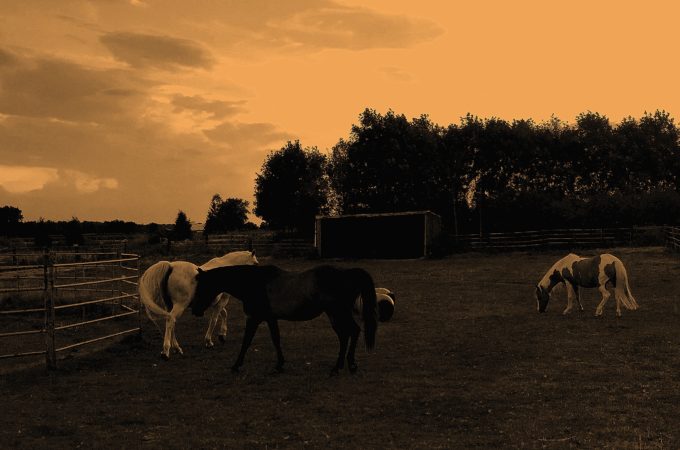
Gifting property to the next generation is an estate strategy at its simplest form. For farming families, farm succession planning can often be complex considering the difficulties associated with “equalizing” a farmer’s estate between their children in circumstances where a child is actively involved in the farming business while the other is not. An equalization option that is sometimes considered by the farmer is to sever the farmland with the goal of gifting a piece of land to the non-farming child, to provide them with an opportunity to build a home.
This strategy has become more relevant in recent years due to the rising value of farmland and the fact that many farmers are rapidly aging; therefore, farm succession planning is prime. However, in doing so, one cannot ignore the tax implications of gifting farmland.
Transfer at Cost Base
Generally speak, the Income Tax Act (Canada) (“ITA“) allows a farmer to transfer their qualified farm property either during their lifetime, or upon their death, to their child on a tax-deferred/rollover basis, if the following requirements are met: (1) the farm property was, before the transfer, located in Canada; (2) the child receiving the farm property was a resident of Canada immediately before the transfer; and (3) the farm property has been used principally in the farming business in which the farmer, their spouse, their child or their parent was actively engaged on a regular and continuous basis[1].
In the example above, the advantage for the farmer is twofold, namely: (1) they avoid paying income tax on the transfer of the farmland; and (2) the non-farming child receives land (at the farmer’s cost base) without having to pay for it.
Avoid the “Tax Trap”
Sometimes, timing is key. What was considered to be a sound estate strategy for the farmer and a good opportunity for the non-farming child can become a “tax trap.” For instance, what if the non-farming child decides to sell the gifted farmland to move into the city? The non-farming child may want to sell the gifted farmland (presumably back to the farm) at fair market value, and the non-farming child has been advised that they may claim their lifetime capital gain exemption to receive the proceeds of sale tax-free. If so, the non-farming child must be aware of the following “tax trap.”
Namely, if the non-farming child sells the gifted farmland within three (3) years from the date of the gift, subsection 69(11) of the ITA denies the benefit of the rollover on the original disposition (i.e., from the farmer to the non-farming child). In other words, the original transaction will be deemed to have occurred at fair market value. As a result, the farmer must now report a capital gain on the transfer of the farmland in the year of transfer (i.e., the year of gift) to the non-farming child.
Conclusion
Farm succession and equalization between farming and non-farming children can be challenging. When gifting farm property, it is imperative that farmers do not overlook the potential tax consequences of the gifts. In seeking professional advice, farmers can assess the different options available to them while also considering the potential tax implications associated with each option.
[1] See subsection 73(3) of the ITA for inter vivos transfers and subsection 70(9) of the ITA for transfers on death.

0 Comments