
If you’ve scanned financial services sales materials recently, it seems longevity is a hot topic. How do you actually plan for longevity? As with most things, this is easier to talk about than do. In this article, let’s explore one aspect of lifestyle planning – mobility.
A recent article on longevity noted that for over a decade, our practice has been focused on teaching and empowering individuals to actively plan for their post-retirement years. Our longevity planning methodologies integrate three foundational components: lifestyle planning, including personal and care planning; financial preparedness; and legal preparedness. Without these three pieces, individuals and their families will not be adequately prepared for their post-retirement years, especially in the event of a sudden health event, declining capacity, or the loss of a partner.
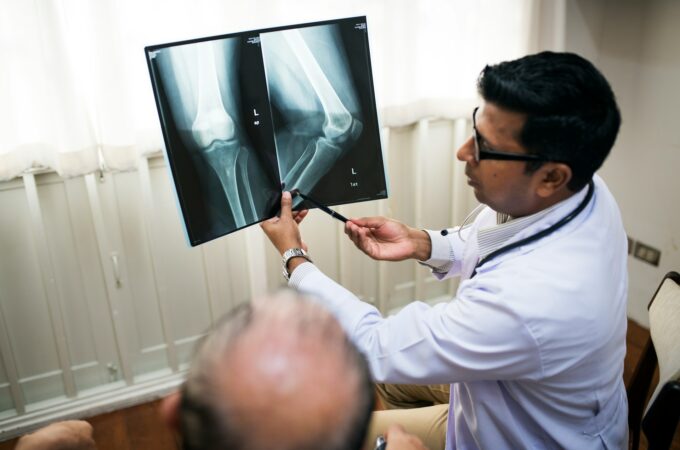
A holistic estate plan that incorporates longevity goals will consider lifestyle planning. One of the things that is often overlooked in that plan is joint mobility and the ability to move about independently. Think about what you enjoy today – is it hiking and spending time in the outdoors, gardening, boating, or paddleboarding? For those who played sports when they were younger, the desire to continue with all their activities can be limited by the pain and decreased mobility that come with osteoarthritis. Many of these active individuals want to remain physically active and pain-free in their later years and continue the activities and sports they enjoy. To do that, people with osteoarthritis may consider a hip or knee joint replacement.
Current data from the Canadian Institute for Health Information (CIHI) on hip and knee replacements in Canada show that the number of replacements has now rebounded and, in fact, increased from pre-pandemic levels. In Canada, 175,242 procedures were performed in 2024-2025. Increasing numbers of these surgeries are performed as day surgeries – over 35% of hip replacements and about 31% of knee surgeries. And based on data from Ontario, Manitoba and Alberta, 9 in 10 patients self-reported improved outcomes and satisfaction 1 year post surgery, “underscoring the effectiveness of these surgeries in improving mobility and quality of life.” [1],[2]
Consider the scenario of an active 70-year-old with osteoarthritis who is unable to run, walk more than a block, golf, hike, or boat. The person is referred to an orthopedic surgeon, but they will have to wait at least 6 months to see the surgeon, and only then can they get on another wait list for surgery, which could be another year or more. Faced with these delays, many active people will search out private hip or knee replacement clinics now available in many provinces. Private Canadian clinics offering hip and knee replacements quote between $20,000 and $45,000. Private clinics usually offer waiting times of a few weeks to see a surgeon, with surgical scheduling after that within a month.
A knee or hip joint replacement is a journey, and if you want the best possible outcomes, it takes planning and resources. You are strongly encouraged to do pre-rehabilitation before the surgery under the guidance of a physical therapist to strengthen muscle groups that will be affected in your lower extremities and your back, as well as trying to obtain the optimal range of motion for your joints pre-surgery. Pre-habilitation sessions with physical therapists are private pay and not covered by OHIP in Ontario. Costs are $100 to $150 per visit.
Planning to return home the same day of surgery is another surprise for most of us. Think of this as setting up a home-hospital environment with mobility aids, bandages, a home pharmacy with medication administration records for pain control and many other post-op medications, someone to help with personal care and getting in and out of bed, and someone to make meals, etc. Costs for in-home care for a week, mobility aids recommended, a recommended ice machine, etc., could be about $5,000 or more. Some may choose respite care in a retirement home for the first few weeks at $150/day or more.
Planning the post-operative period requires more support and resources. For knee replacements, the focus is on achieving full knee extension and flexion beyond 120 degrees within 6 weeks. This requires multiple exercise sessions per day, pain control, and numerous trips to the physical therapist. Other therapists who can be helpful include a massage therapist, osteopath, reflexologist, etc. OHIP covers 6 or 8 visits to a physical therapist post-op, and then you pay per visit. The other professionals are all private pay. Costs could be $5,000 or more.
So, back to that longevity plan. If you plan to live and be active and engaged until 95 or 100, and you may require a joint replacement or two, when is the best time to do this? Don’t wait until your arthritic knee locks and you end up in a hospital emergency room with no plan.
Lifestyle planning is key to longevity planning. Mobility is an important part of an active and enjoyable life. If joint replacement(s) are in your future, plan this as you would any other event in your life. You will need to consider timing, expertise, costs and supports so that you get the best outcomes, and you can continue to lead an active, engaged life.
[1] https://www.cihi.ca/en/cjrr-annual-rep[1]ort-hip-and-knee-replacements-in-canada-2024-2025#:~:text=to%20learn%20more.-,Key%20findings,0.8%25%20in%202022%E2%80%932023.
[2] https://www.cihi.ca/sites/default/files/document/hip-knee-replacements-in-canada-cjrr-annual-report-2024-2025-en.pdf

0 Comments